
Supporting patients of Parkinson’s Disease
Join or lead a group activity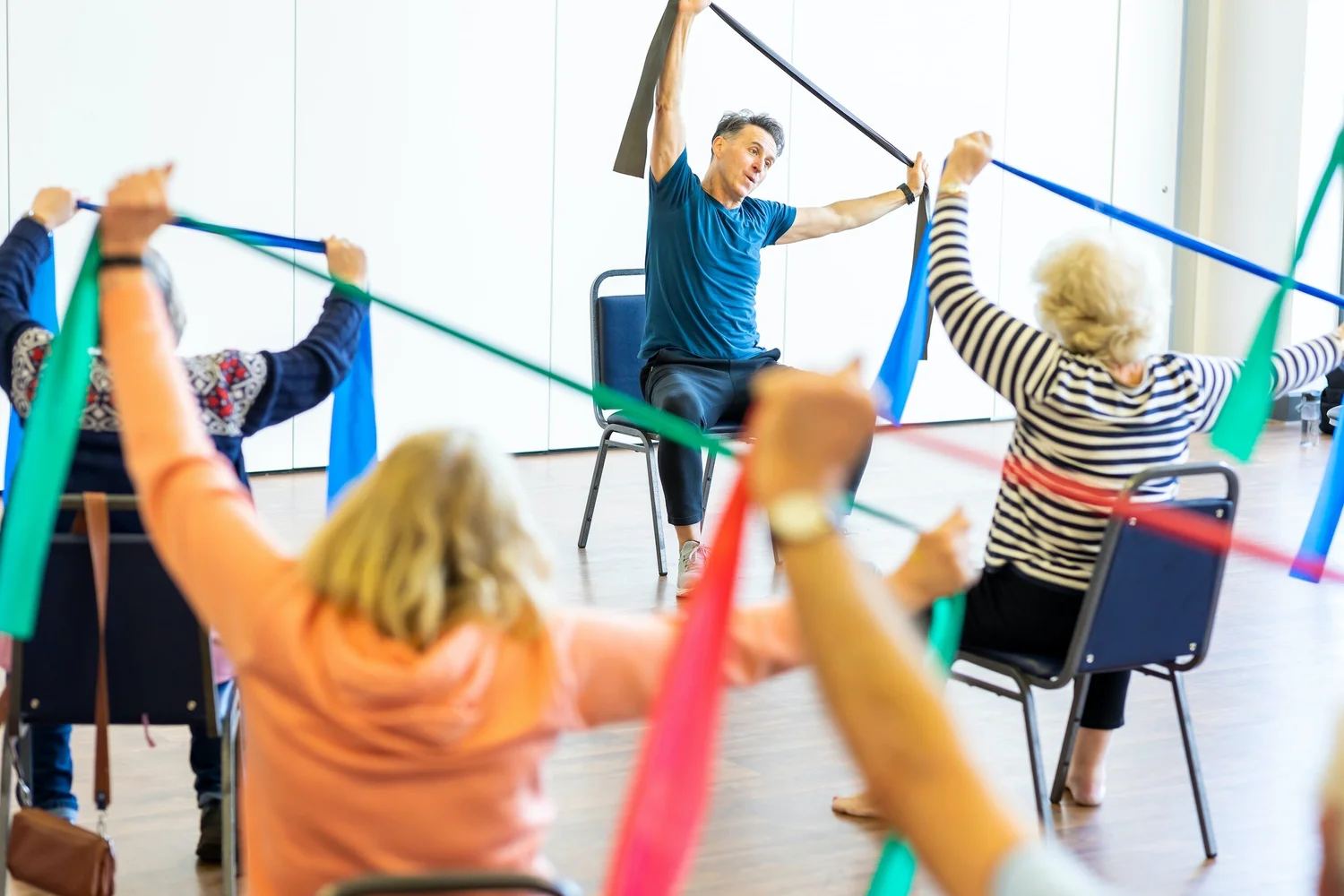
Let’s have physical activity together. The Parkinson’s Disease Project supports patients by organizing and conducting group activities, with volunteers assisting people with Parkinson’s. If you’re interested in participating, or in volunteering to lead a group activity, fill out our short form. Thank you!
Why physical activity helps
According to the National Institutes of Health, various forms of physical activity (PA) can complement pharmacological therapy to manage the inherent decline associated with the disease. The evidence indicates that upregulation of neurotrophins and nerve growth factors are potentially critical mediators of the beneficial effects associated with PA. Accumulating evidence suggests that patients with Parkinson’s Disease (PD) might benefit from PA in a number of ways, from general improvements in health to disease-specific effects and, potentially, disease-modifying effects.
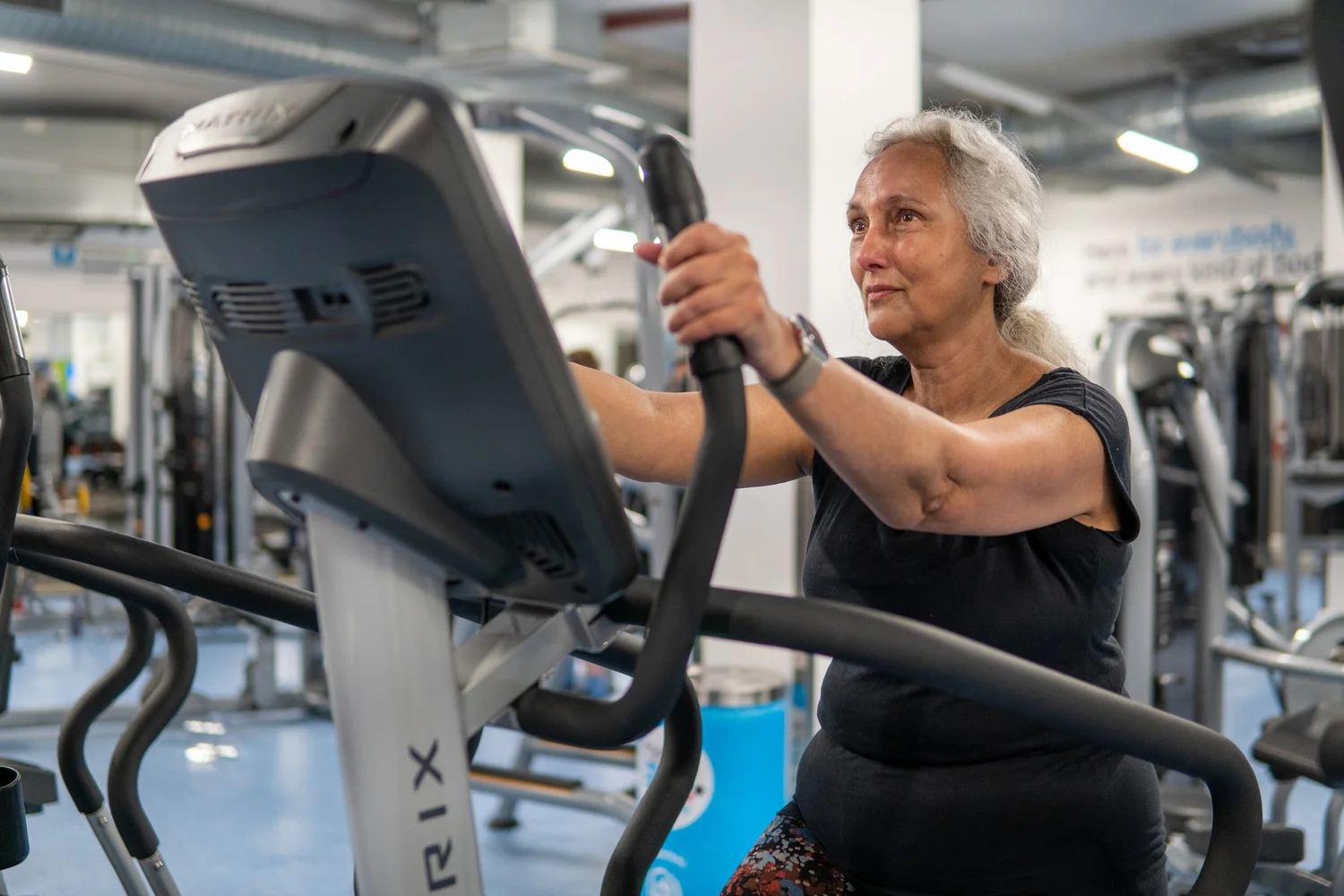
Various forms of PA have shown beneficial effects in PD, including:
- Aerobic exercise
- Treadmill training
- Dancing
- Traditional Chinese exercise
- Yoga
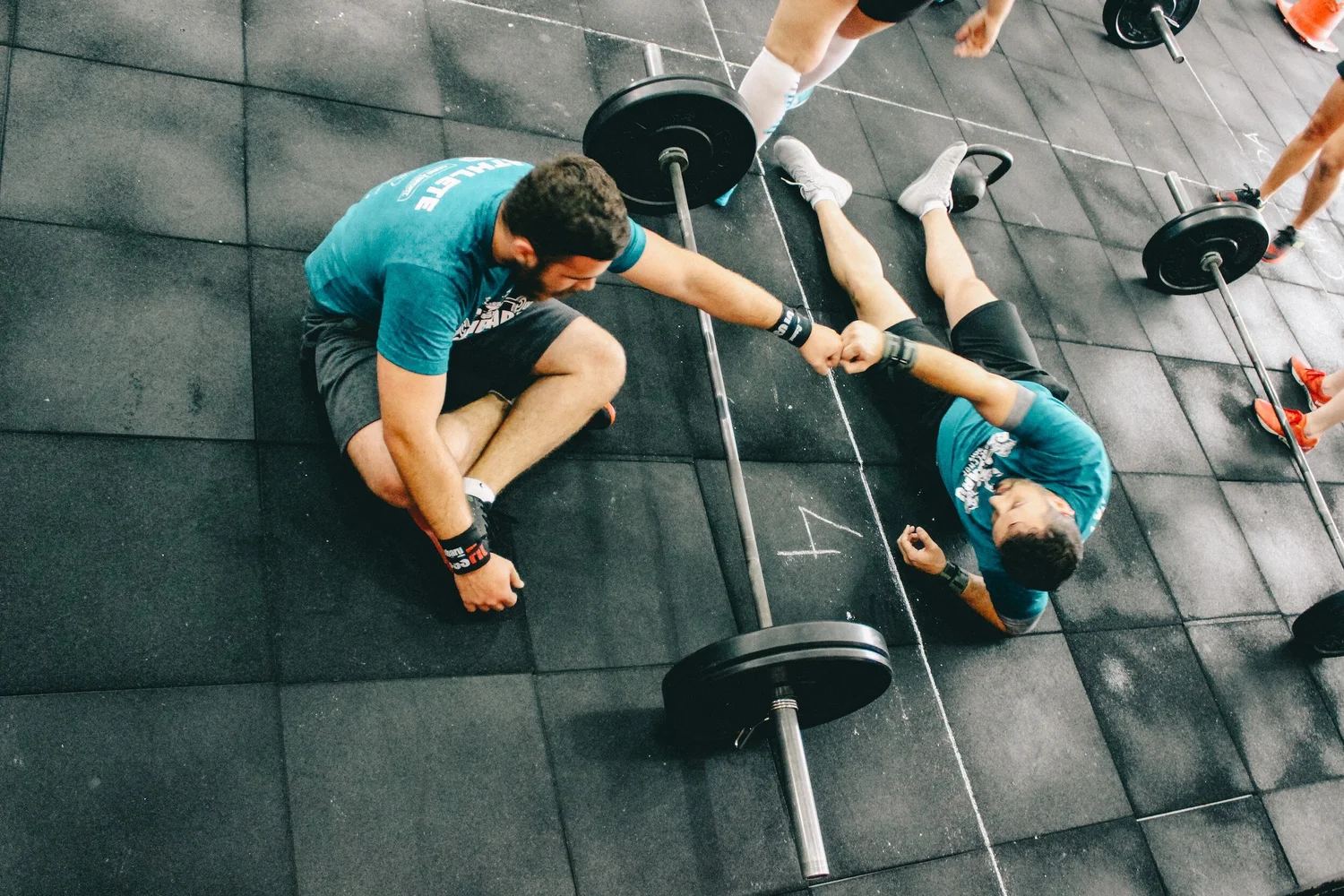
- Resistance training
Many gaps remain in our understanding of the most effective exercise intervention for PD symptoms, the mechanisms underlying exercise-induced changes, and the best way to monitor response to therapy. However, available research suggests that exercise is a promising, cost-effective, and low-risk intervention to improve both motor and non-motor symptoms in patients with PD. Thus, PA should be prescribed and encouraged in all PD patients.


What counts as physical activity?
PA is defined as any bodily movement produced by skeletal muscles that results in energy expenditure, which can be measured in kilocalories. The term “exercise” has been used interchangeably with “PA,” since the two share many common elements. Exercise is a subcategory of PA involving planned, structured, repetitive, and purposeful body movements to improve or maintain one or more components of PA.
A beneficial relationship between PA and PD was first suggested in 1992, when Sasco and colleagues reported that the risk of PD was reduced in men who played sports in college and adult life.1 This finding has been replicated in nearly all subsequent epidemiologic studies. Although differential effects in men and women are probable, other large studies found PA to similarly benefit both men and women.
1. Sasco AJ, Paffenbarger RS Jr, Gendre I, Wing AL. The role of physical exercise in the occurrence of Parkinson’s disease. Arch Neurol. 1992;49(4):360–5. doi:10.1001/archneur.1992.00530280040020.
Help us find a cure — and care for people today.
Your gift funds student research training, physical-activity programs, and caregiver support.